

Emulate Community Publications Digest: Summer 2026 Issue

With over 150 peer-reviewed publications across 30+ organ models, Emulate Organ-Chips are empowering researchers to make game-changing scientific breakthroughs! Download this digest to easily explore all publications related to your field of research, or to just learn more about how the technology itself is developing.

New this quarter:

Fallopian Tube

  • Human fallopian tube-on-a-chip for preclinical testing of non-hormonal contraceptives with living human sperm

Intestine

  • Probiotic intervention mitigates radiation-induced intestinal injury by alleviating oxidative stress in a human gut-on-a-chip

Lung (Airway)

  • Development of an acute inhalation toxicity testing method based on a lung-on-a-chip

Lung (Alveolus)

  • Enhanced lung delivery of an immunostimulatory duplex RNA augments the antitumor activity by reshaping systemic cytokine pharmacodynamics

Lung (Alveolus)

  • Alveolus-on-a-Chip: A Novel Tool for Modeling Lung Transplant Cold Storage Ischemia/Reperfusion Injury

Placenta

  • Simvastatin Restores Uteroplacental Hemodynamics and Trophoblast Function in Obstetric Antiphospholipid Syndrome in a Placenta-on-a-Chip Model

REVIEW ARTICLES:

Female Reproductive Tract

  • Female Reproductive Tract Organ-on-Chips: Modeling Barrier Function and Drug Transport

Drug Development

  • Human organ-on-a-chip technology as a catalyst for drug discovery

PUBLISHED FROM PRE-PRINT:

Intestine (Colon)

  • Human inflammatory bowel disease-on-a-chip for modelling disease progression, cancer initiation and sex-specific effects

Lymph Node

  • In vitro recapitulation of intramuscular mRNA vaccination with naive and recall antigens using a human lymphoid follicle chip platform

Vasculature

  • Human coronary artery organ-chip with circulating immune cells recapitulates anti-inflammatory effect of pulsatile wall strain
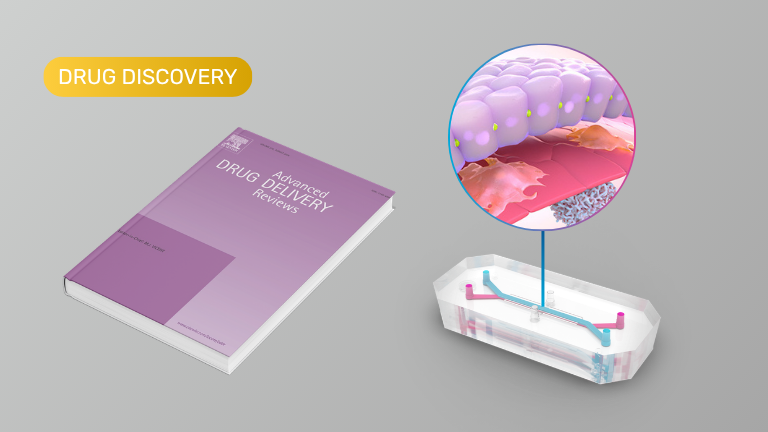
Human organ-on-a-chip technology as a catalyst for drug discovery (Review)

Application: Drug Discovery

This review highlights Organ-Chips as a more human-relevant preclinical platform that recreates key aspects of organ physiology—including tissue-tissue interfaces, dynamic fluid flow, mechanical forces, and immune interactions—to improve prediction of human drug responses. Unlike conventional cell cultures or animal models, Organ-Chips enable therapeutics to be evaluated using clinically relevant dosing routes and pharmacokinetic profiles, supporting more accurate assessment of efficacy, toxicity, and mechanisms of resistance. The authors also emphasize that combining Organ-Chips with high-throughput screening, functional genomics, and artificial intelligence could accelerate target identification and drug discovery while helping reduce the high rate of clinical trial failures. Although challenges remain around standardization and scalability, the review concludes that Organ-Chips are poised to become an increasingly important tool for drug development and regulatory safety assessment.

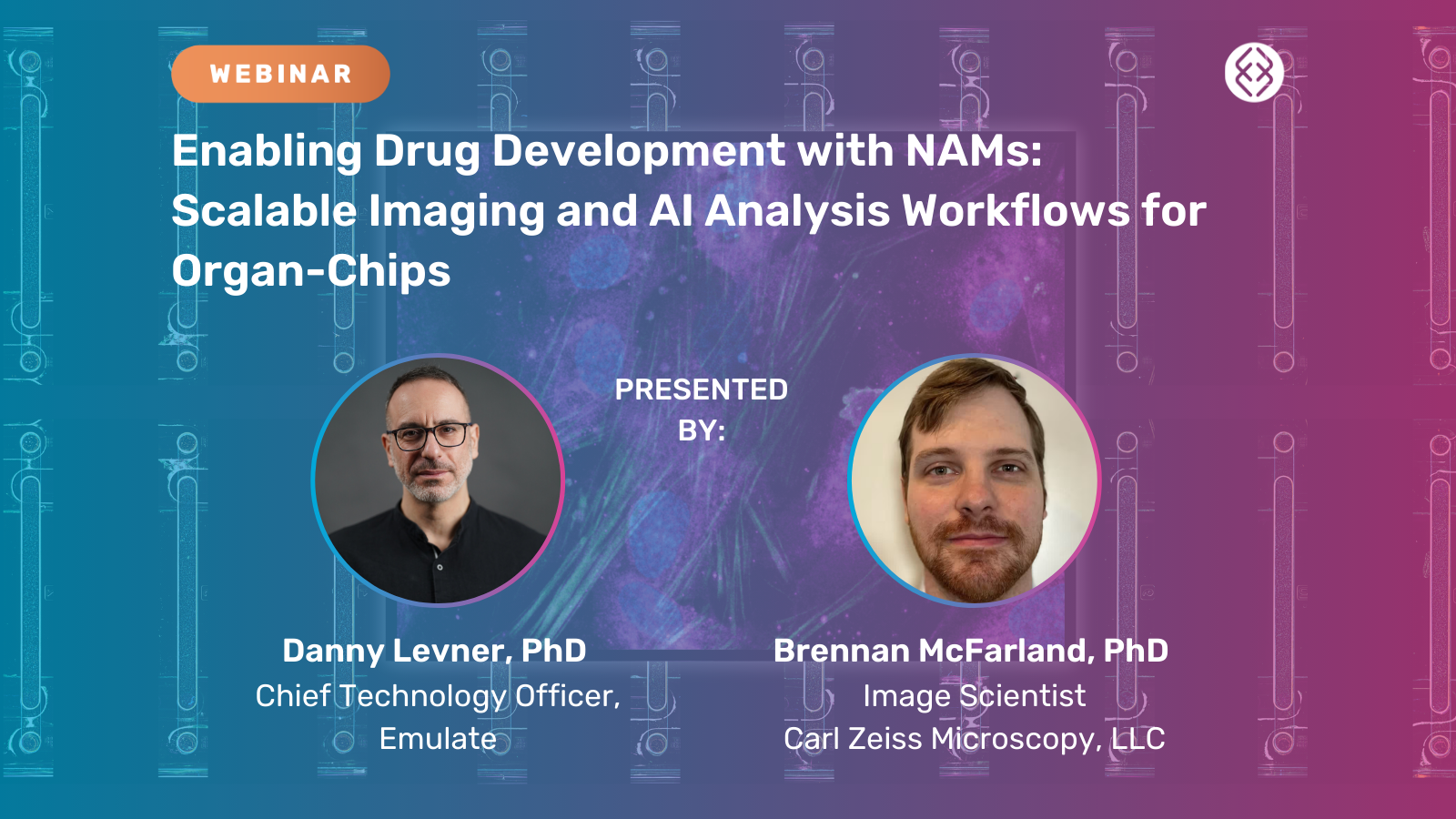
Enabling Drug Development with NAMs: Scalable Imaging and AI Analysis Workflows for Organ-Chips

Synopsis

Organ-on-a-Chip technology is emerging as a powerful New Approach Methodology (NAM) for drug development, driven by the need for more human-relevant and scalable experimental models. As these systems move toward broader adoption, a key challenge remains: generating consistent, interpretable data that supports confident experimental and translational decision-making.

This webinar examines how imaging and AI-driven analysis workflows enable Organ-Chip studies to scale from innovation to routine application. Speakers begin with an overview of Organ-on-a-Chip technology and its role in addressing translational gaps in drug discovery, highlighting how Liver-Chips are being evaluated in collaboration with regulatory agencies for better prediction of drug-induced liver injury.

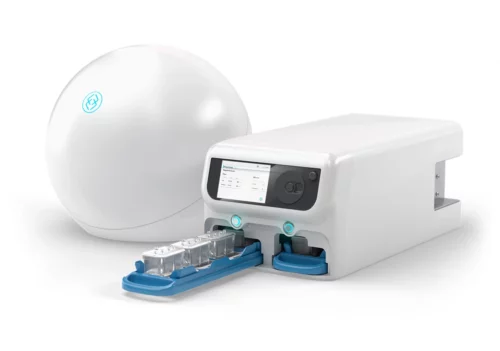
The session then explores how the newly released AVA™ Emulation System enables scalable Organ-Chip experimentation through an integrated system for incubation, microfluidic delivery, and routine imaging. Paired with AI-driven analysis, brightfield image data can be used to automate quality control by monitoring chip health, morphology, and assay performance over time across large studies.

To complete the workflow, post-study high-resolution imaging is applied to evaluate more complex biological markers, including toxicology-relevant endpoints and drug uptake. These datasets are paired with advanced analysis techniques that translate imaging data into quantitative, biologically meaningful insights.

Attendees will gain a practical understanding of how unified imaging and analysis strategies—spanning routine QC through advanced interrogation—support scalability, reproducibility, and alignment with evolving regulatory expectations for Organ-Chips and other NAM-based drug development.

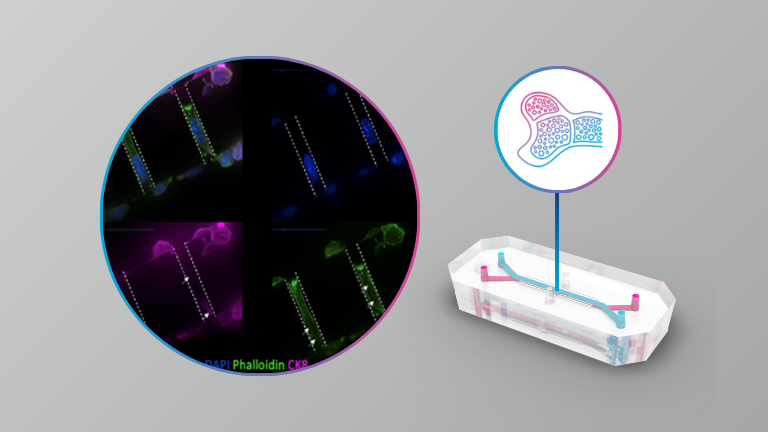
Multi-omics qualification of an organ-on-a-chip model of osteolytic bone metastasis

Organ Model: Bone (Breast cancer metastasis)

Applications: Cancer

Researchers recreated the osteolytic bone metastatic niche by co-culturing osteocytes, osteoclasts, and breast cancer cells in an Organ-Chip system. Multi-omics analyses—including RNA sequencing, cytokine profiling, and imaging—showed that the full tri-culture recapitulated in vivo biology, revealed synergistic pro-metastatic signaling, and aligned closely with gene expression profiles from gold-standard mouse models. These results validate this Organ-Chip model of osteolytic bone mestastasis as a scalable, human-relevant alternative to animal models and highlight its potential as a medium-throughput platform for uncovering therapeutic targets and screening drug candidates.

Products Used In This Publication

Engineering growth factor gradients to drive spatiotemporal tissue patterning in organ-on-a-chip systems

Organ Model: Bone & Cartilage

Application: Model Development

This study used two Emulate Organ-Chip consumables to create and test morphogen gradients inside Organ‑on‑a‑Chip devices. In the closed‑channel Chip‑S1®, researchers loaded its upper microfluidic channel with two gelatin–heparin hydrogels—one containing BMP‑2 and one without—so the second displaced part of the first and formed a stable, UV‑cross‑linked BMP‑2 gradient along the channel. In the open‑chamber Chip‑A1™, they layered a denser BMP‑2‑laden hydrogel beneath a lighter BMP‑2‑free gel; buoyancy drove a vertical gradient that was likewise fixed by UV curing. Human bone marrow stem cells embedded in the patterned gels on Chip‑S1 showed position‑dependent osteogenic (high‑BMP‑2) and chondrogenic (low‑BMP‑2) differentiation, successfully recapitulating the spatial development of the osteochondral (bone‑cartilage) interface, and demonstrating that Emulate’s platforms can support controlled 3D tissue patterning driven by immobilized growth‑factor gradients.

Products Used In This Publication

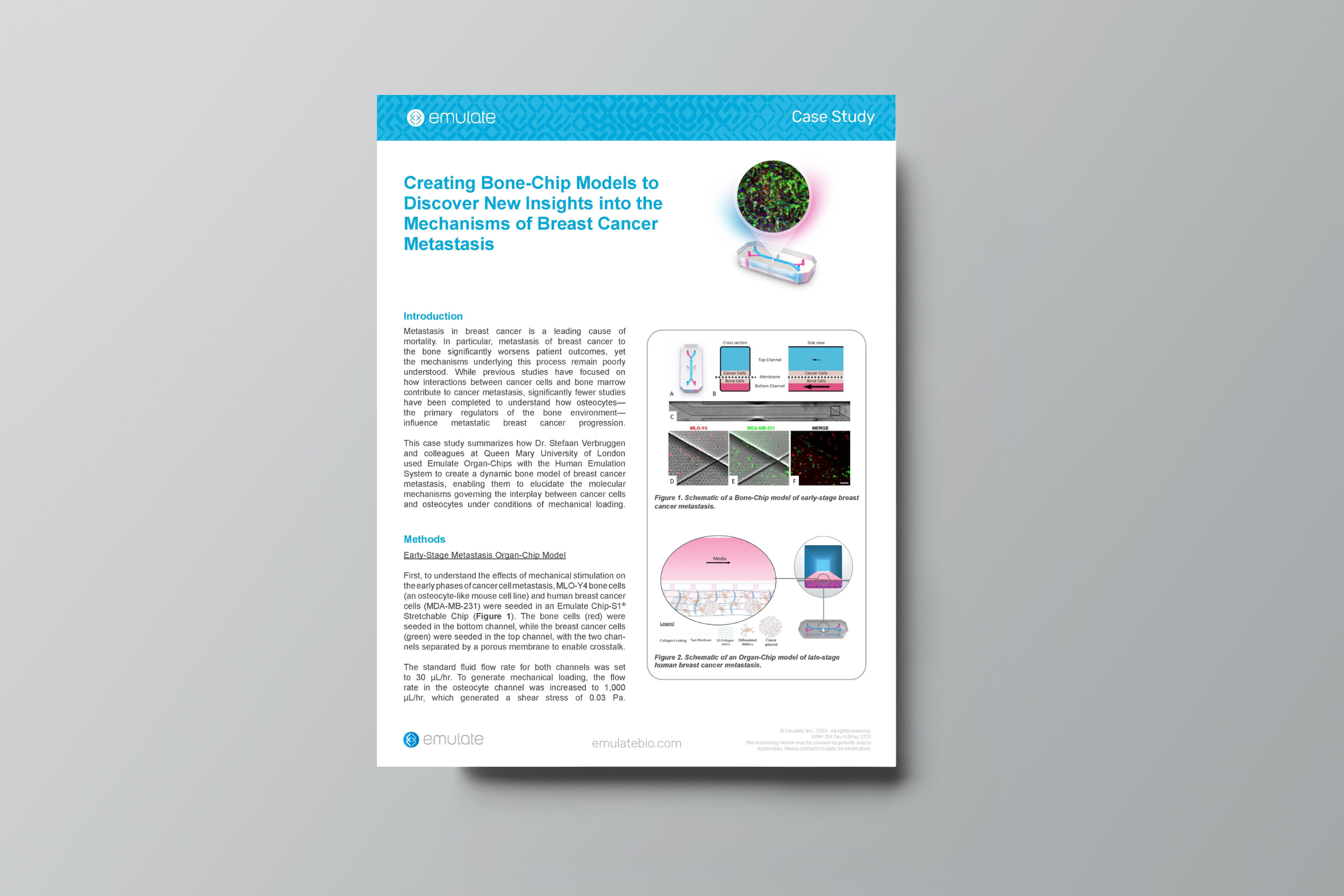
Creating Bone-Chip Models to Discover New Insights into the Mechanisms of Breast Cancer Metastasis

Metastasis in breast cancer is a leading cause of mortality. In particular, breast cancer that metastasizes to the bone significantly worsens patient outcomes; however, the mechanisms underlying this process remain poorly understood. While previous studies have focused on how interactions between cancer cells and bone marrow contribute to cancer metastasis, significantly fewer studies have been completed that aim to understand how osteocytes—the primary regulators of the bone environment—influence metastatic breast cancer progression.

This case study summarizes how Dr. Stefaan Verbruggen and colleagues at Queen Mary University of London used Emulate Organ-Chips with the Human Emulation System to create a dynamic bone model of breast cancer metastasis, enabling them to elucidate the molecular mechanisms governing the interplay between cancer cells and osteocytes under conditions of mechanical loading.

In this case study, you will learn how:

  • Researchers used Organ-Chips to recapitulate breast cancer metastasis to the bone.
  • Mechanical stimulation plays a key role in early- and late-stage breast cancer metastasis.
  • Organ-Chips can benefit cancer researchers through enabling tissue co-cultures and the selective application of shear stress in a complex 3D tumor microenvironment.

A Novel Primary Cilium-Mediated Mechanism Through which Osteocytes Regulate Metastatic Behavior of Both Breast and Prostate Cancer Cells

Organ Model: Breast and prostate cancer bone metastasis model

Application: Cancer

Abstract: Bone metastases are a common cause of suffering in breast and prostate cancer patients, however, the interaction between bone cells and cancer cells is poorly understood. Using a series of co-culture, conditioned media, human cancer spheroid, and organ-on-a-chip experiments, this study reveals that osteocytes suppress cancer cell proliferation and increase migration via tumor necrosis factor alpha (TNF-α) secretion. This action is regulated by osteocyte primary cilia and associated intraflagellar transport protein 88 (IFT88). Furthermore, it shows that cancer cells block this mechanism by secreting transforming growth factor beta (TGF-β), which disrupts osteocyte cilia and IFT88 gene expression. This bi-directional crosstalk signaling between osteocytes and cancer cells is common to both breast and prostate cancer. This study also proposes that osteocyte inhibition of cancer cell proliferation decreases as cancer cells increase, producing more TGF-β. Hence, a positive feedback loop develops accelerating metastatic tumor growth. These findings demonstrate the importance of cancer cell-osteocyte signaling in regulating breast and prostate bone metastases and support the development of therapies targeting this pathway.

Human vascularised synovium-on-a-chip: a mechanically stimulated, microfluidic model to investigate synovial inflammation and monocyte recruitment

Organ Model: Synovium

Application: Inflammation

Abstract: Healthy synovium is critical for joint homeostasis. Synovial inflammation (synovitis) is implicated in the onset, progression and symptomatic presentation of arthritic joint diseases such as rheumatoid arthritis and osteoarthritis. Thus, the synovium is a promising target for the development of novel, disease-modifying therapeutics. However, target exploration is hampered by a lack of good pre-clinical models that accurately replicate human physiology and that are developed in a way that allows for widespread uptake. The current study presents a multi-channel, microfluidic, organ-on-a-chip (OOAC) model, comprising a 3D configuration of the human synovium and its associated vasculature, with biomechanical and inflammatory stimulation, built upon a commercially available OOAC platform. Healthy human fibroblast-like synoviocytes (hFLS) were co-cultured with human umbilical vein endothelial cells (HUVECs) with appropriate matrix proteins, separated by a flexible, porous membrane. The model was developed within the Emulate organ-chip platform enabling the application of physiological biomechanical stimulation in the form of fluid shear and cyclic tensile strain. The hFLS exhibited characteristic morphology, cytoskeletal architecture and matrix protein deposition. Synovial inflammation was initiated through the addition of interleukin-1?(IL-1?) into the synovium channel resulting in the increased secretion of inflammatory and catabolic mediators, interleukin-6 (IL-6), prostaglandin E2 (PGE2), matrix metalloproteinase 1 (MMP-1), as well as the synovial fluid constituent protein, hyaluronan. Enhanced expression of the inflammatory marker, intercellular adhesion molecule-1 (ICAM-1), was observed in HUVECs in the vascular channel, accompanied by increased attachment of circulating monocytes. This vascularised human synovium-on-a-chip model recapitulates a number of the functional characteristics of both healthy and inflamed human synovium. Thus, this model offers the first human synovium organ-chip suitable for widespread adoption to understand synovial joint disease mechanisms, permit the identification of novel therapeutic targets and support pre-clinical testing of therapies.

Bone Marrow Microenvironment-On-Chip for Culture of Functional Hematopoietic Stem Cells

Organ Model: Bone marrow (mouse)

Application: Model Development

Abstract: Hematopoiesis takes place in the bone marrow and is supported by a complex cellular and molecular network in the bone marrow microenvironment. Commonly used models of the human bone marrow microenvironment include murine models and two-dimensional and three-dimensional tissue cultures. While these model systems have led to critical advances in the field, they fail to recapitulate many aspects of the human bone marrow. This has limited our understanding of human bone marrow pathophysiology and has led to deficiencies in therapy for many bone marrow pathologies such as bone marrow failure syndromes and leukemias. Therefore, we have developed a modular murine bone marrow microenvironment-on-chip using a commercially available microfluidic platform. This model includes a vascular channel separated from the bone marrow channel by a semi-porous membrane and incorporates critical components of the bone marrow microenvironment, including osteoblasts, endothelial cells, mesenchymal stem cells, and hematopoietic stem and progenitor cells. This system is capable of maintaining functional hematopoietic stem cells in vitro for at least 14 days at frequencies similar to what is found in the primary bone marrow. The modular nature of this system and its accessibility will allow for acceleration of our understanding of the bone marrow.

Mechanical Stimulation Modulates Osteocyte Regulation of Cancer Cell Phenotype

Organ Model: Breast and prostate cancer bone metastasis model

Application: Cancer

Abstract: Breast and prostate cancers preferentially metastasise to bone tissue, with metastatic lesions forming in the skeletons of most patients. On arriving in bone tissue, disseminated tumour cells enter a mechanical microenvironment that is substantially different to that of the primary tumour and is largely regulated by bone cells. Osteocytes, the most ubiquitous bone cell type, orchestrate healthy bone remodelling in response to physical exercise. However, the effects of mechanical loading of osteocytes on cancer cell behaviour is still poorly understood. The aim of this study was to characterise the effects of osteocyte mechanical stimulation on the behaviour of breast and prostate cancer cells. To replicate an osteocyte-controlled environment, this study treated breast (MDA-MB-231 and MCF-7) and prostate (PC-3 and LNCaP) cancer cell lines with conditioned media from MLO-Y4 osteocyte-like cells exposed to mechanical stimulation in the form of fluid shear stress. We found that osteocyte paracrine signalling acted to inhibit metastatic breast and prostate tumour growth, characterised by reduced proliferation and invasion and increased migration. In breast cancer cells, these effects were largely reversed by mechanical stimulation of osteocytes. In contrast, conditioned media from mechanically stimulated osteocytes had no effect on prostate cancer cells. To further investigate these interactions, we developed a microfluidic organ-chip model using the Emulate platform. This new organ-chip model enabled analysis of cancer cell migration, proliferation and invasion in the presence of mechanical stimulation of osteocytes by fluid shear stress, resulting in increased invasion of breast and prostate cancer cells. These findings demonstrate the importance of osteocytes and mechanical loading in regulating cancer cell behaviour and the need to incorporate these factors into predictive in vitro models of bone metastasis.