
Organ Model: Placenta
Application: Immunology & Inflammation
Highlights
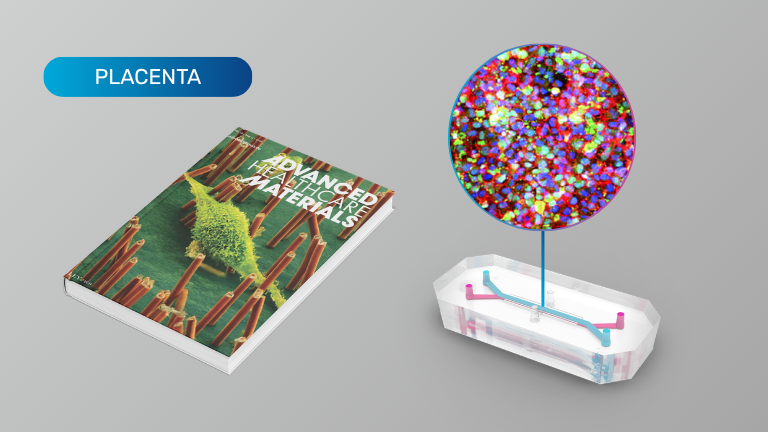
In this study, researchers created a Placenta-on-a-Chip to recreate the maternal–fetal interface and model trophoblast invasion into maternal endothelial tissue under physiologically relevant fluid flow and shear stress. The Placenta-Chip enabled the team to investigate how elevated shear stress, which mimics the abnormal hemodynamics observed in obstetric antiphospholipid syndrome (OAPS), impairs trophoblast invasion and spiral artery remodeling. Using the model, they demonstrated that simvastatin restored trophoblast invasion under high-shear conditions by improving endothelial function, reducing inflammation, and activating the KLF2/eNOS signaling pathway. These findings highlight the value of Organ-Chips for studying placental vascular biology and evaluating potential therapies for pregnancy complications driven by abnormal maternal–fetal hemodynamics.