
Organ Model: Brain (Blood-Brain Barrier)
Application: Neuroscience, Immunology & Inflammation
Highlights
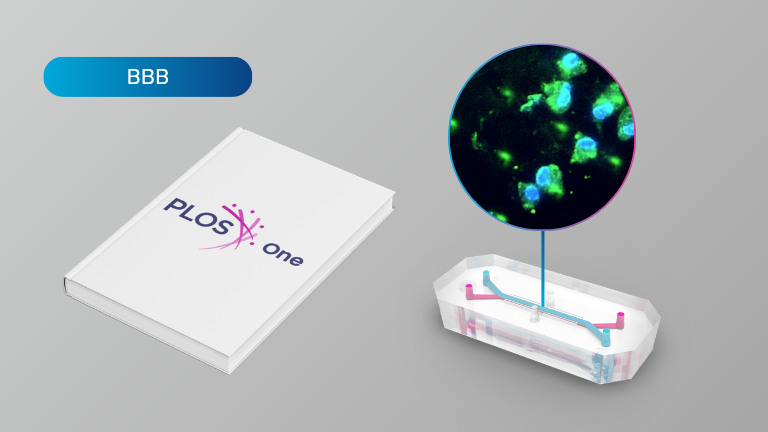
Researchers built a human blood–brain barrier (BBB) model of acute ischemic stroke using primary human brain microvascular endothelial cells, astrocytes, and pericytes cultured in separate microfluidic channels. The Organ-Chip was exposed to oxygen-glucose deprivation and antimycin A to induce a reversible, penumbra-like BBB injury, followed by fresh medium to simulate reperfusion and, in some experiments, therapeutic hypothermia at 33°C. The chip enabled researchers to visualize changes in endothelial morphology and BBB integrity under stroke-like conditions and showed that reperfusion combined with hypothermia produced the greatest recovery. Together with complementary Transwell studies, the Organ-Chip provided a human-relevant platform for modeling BBB injury and recovery and for evaluating potential therapeutic strategies for acute ischemic stroke.